
Workforce Solutions Panhandle
Get the Training You Need for a Better Job
Build the skills and experience you need for a better job. We help eligible Texas Panhandle residents pursue job-focused training or paid workforce internships, with assistance based on their needs and approved plan.
Training and paid work experience
Find the Training Services Path That Fits You
Explore the two programs below. If you are 18 to 24, staff will review your situation and help determine which program can serve you best.
For eligible adults age 18 and older
Training Services
Train for a Target Occupation
Training Services helps eligible adults build the skills needed for careers that are in demand with Texas Panhandle employers. Assistance focuses on approved training connected to our Target Occupations list.
This may be the right path if you:
- Are unemployed or working but need additional skills to improve your employment situation
- Were laid off, received notice of a layoff, or lost work because a business closed or reduced operations
- Need occupational training for a career that is in demand in the Texas Panhandle
Services customized to your needs:
- One-on-one career guidance and an employment plan built around your goals, skills, and needs
- Approved training for a Texas Panhandle Target Occupation
- Required items for training or work, such as tools, work boots, personal protective equipment, uniforms, books, and certification exams
- Supportive services, job-readiness, and job-search assistance based on need, eligibility, and available funding
Who may qualify for Training Services?
Start with the basic requirements: Be age 18 or older, authorized to work in the United States, and meet Selective Service requirements, if applicable. You may be working or unemployed.
For training assistance, we also review:
- Your work history, current skills, and whether training is needed to obtain or keep employment that supports you
- Your readiness for the training, including the skills and qualifications needed to complete it
- Whether your career goal and chosen training meet applicable Target Occupation and program requirements
- Your financial need and other assistance, such as Pell Grants, that may help pay for training
Priority for adult-funded services: People receiving public assistance, people with low incomes, and people who need help with basic reading, math, or English skills receive priority. Priority of service also applies to eligible veterans and eligible spouses. Staff will review any additional state or local priorities, including former foster youth.
Recently laid off? A qualifying layoff or business closure may allow consideration under a different eligibility path. Staff will review your separation and work history; a job loss alone does not guarantee approval.
You do not need to decide which eligibility path applies before contacting us. We will explain the documents needed and review your circumstances with you.
For eligible young people ages 18 to 24
Young Adult Training Services
Start with a Paid Workforce Internship
Young Adult Training Services helps eligible people ages 18 to 24 get real workforce experience through paid internships, while also building the education, training, and career direction needed for long-term employment.
This may be the right path if you:
- Want paid workforce experience while exploring a career
- Are having difficulty moving forward in school, training, or employment
- Need help completing high school, earning a high school equivalency, or choosing a career direction
Services customized to your needs:
- Paid workforce internships that provide hands-on experience with an employer
- High school equivalency preparation, occupational training, and postsecondary education assistance
- Required items for training or work, such as tools, work boots, personal protective equipment, uniforms, books, and certification exams
- Individual career planning, job-readiness support, leadership development, financial literacy, and help addressing barriers to work
Who may qualify for Young Adult Services?
Our local program serves eligible young adults ages 18 to 24. You must be authorized to work in the United States and meet Selective Service requirements, if applicable. Age alone does not establish eligibility.
Your school status matters
If you are not attending school: You must have at least one qualifying circumstance. Examples include leaving school before graduation, homelessness, qualifying foster care involvement, pregnancy or parenting, a disability, or justice-system involvement.
Some eligibility paths also require low income, such as having a diploma or GED and needing basic-skills or English-language support, or needing additional assistance to enter or complete education or obtain or keep a job.
If you are attending school: The usual eligibility path within our local age range is ages 18 to 21, low income, and at least one qualifying barrier. Limited exceptions apply, including certain students with disabilities. Staff will determine how your school or training enrollment is classified.
We review your individual situation
We will discuss your age, school status, income when required, and barriers to education or employment. You may be asked for documents supporting the eligibility path that applies to you.
If you are 18 to 24, we will also consider whether Training Services for adults is the better fit. You do not have to choose a program on your own.
Customized services. A plan built around you.
Your goals, experience, and challenges shape the services we recommend. We work with you one-on-one to identify the training or paid work experience you need, address barriers, and choose the support that helps you move toward employment.
For one person, that may mean tuition and certification costs. For another, it may mean a paid internship, help earning a GED, or employer-required tools, work boots, and protective equipment. Your approved plan determines the assistance available to you.
Eligibility and approval still apply. Services depend on your assessed needs, program requirements, and available funding. Meeting general requirements does not guarantee enrollment or assistance.
From your goal to a plan
How Training Services Works
Start with the kind of work you want to pursue. Then begin the application process so we can review your eligibility and help you develop a career and training plan.
Think about the type of work you want to pursue and the training or experience you may need. You do not have to have every detail figured out before you begin.
Attend a Welcome Session and provide the information needed for an eligibility review. The three steps below explain how to begin.
We will review your eligibility and work with you to build a customized plan. Together, we will identify the training, paid work experience, required equipment, and other support that fit your goals and assessed needs. Staff will explain what can be approved and help you plan your next steps.
Your first three steps
Start the Application Process
To apply for Training Services, you must attend a Welcome Session. Complete steps 1 and 2 before attending the session in step 3.
Create or update your account
Create or update your WorkInTexas.com account before attending. For help or a password reset, call (806) 372-5521. Arrive early if you need registration assistance.
Gather the required documents
Most applicants bring a state-issued photo ID and their Social Security card. If you do not have one or both, other documents can be accepted to establish your identity and employment eligibility. Contact us before your Welcome Session if you are unsure what to bring.
Attend a Welcome Session
Tuesdays at 1:00 PM
or
Thursdays at 10:30 AM
Workforce Solutions Panhandle
3120 Eddy Street
Amarillo, TX 79106
Cannot attend the regular Welcome Session?
Request an alternate session if you are age 18 to 24, live outside the Amarillo area, have a school or work scheduling conflict, or need a translator.
Explore careers in demand
Explore Careers and Training Options
Start with a career direction, then explore the training that could help you get there.
CTE Career Explorer
Not sure which career to pursue?
Explore career options with our CTE Career Explorer before discussing your training goals with staff.
Texas Panhandle Target Occupations
Target Occupations identify the careers our region prioritizes for training investment. The list uses regional labor market information and employer input to identify in-demand careers with opportunities for employment and earnings growth.
For Training Services-funded occupational training in Amarillo and the Texas Panhandle, your chosen career path must align with an approved Target Occupation and meet applicable program requirements. The goal is to connect your training with skills employers need and work that can help you become financially self-sufficient.
Choose a career area below, then select an occupation to learn about its work, skills, and education through O*NET. A career’s appearance in the CTE Career Explorer does not automatically make it eligible for funding. Staff can explain requirements for your specific training path, including registered apprenticeships.
Healthcare
- Clinical Laboratory Technologists and Technicians
- Health Technologists and Technicians, All Other
- Licensed Practical and Licensed Vocational Nurses
- Medical Assistants
- Medical Records Specialists
- Nursing Assistants
- Pharmacy Technicians
- Phlebotomists
- Physical Therapist Assistants
- Psychiatric Technicians
- Radiologic Technologists and Technicians
- Registered Nurses
- Respiratory Therapists
Skilled Trades, Manufacturing and Maintenance
- Aircraft Mechanics and Service Technicians
- Automotive Body and Related Repairers
- Automotive Service Technicians and Mechanics
- Bus and Truck Mechanics and Diesel Engine Specialists
- Carpenters
- Control and Valve Installers and Repairers, Except Mechanical Door
- Electrical and Electronic Equipment Mechanics, Installers, and Repairers
- Electricians
- Heating, Air Conditioning and Refrigeration Mechanics and Installers
- Industrial Machinery Mechanics
- Machinists
- Plumbers, Pipefitters and Steamfitters
- Production Workers, All Other
- Welders, Cutters, Solderers and Brazers
Technology and Engineering
- Computer User Support Specialists
- Drafters, Engineering Technicians and Mapping Technicians
- Electrical and Electronic Engineering Technologists and Technicians
- Electro-Mechanical and Mechatronics Technologists and Technicians (Robotics)
- Industrial Engineering Technologists and Technicians (Nanotechnology)
- Information Security Analysts
- Network and Computer Systems Administrators
Education, Public Service and Safety
- Childcare Workers
- Elementary School Teachers, Except Special Education
- Emergency Medical Technicians
- Firefighting and Prevention Workers
- Middle School Teachers, Except Special and Career/Technical Education
- Paramedics
- Police and Sheriff’s Patrol Officers
- Secondary School Teachers, Except Special and Career/Technical Education
- Special Education Teachers, Kindergarten and Elementary School
Business, Finance and Legal
Transportation, Energy and Infrastructure
What are Eligible Training Programs?
Target Occupations help identify what career to train for. Eligible Training Programs help identify where and how to prepare for that career.
These are specific education and training programs that meet requirements to be considered for training assistance. Eligibility applies to the specific program, not automatically to every course offered by a school or provider.
Use the list to explore options, then work with us to compare the credential, admission requirements, length, cost, and fit with your employment plan. Staff must confirm the program’s current eligibility, its connection to your career goal, and your funding approval before you commit to training.
A listing is a starting point, not a promise of payment. We will help you understand your options and what assistance may be available.
Success stories
Real People. Real Career Progress.
Every person starts in a different place. These are two people from the Texas Panhandle who used Training Services to move forward.
Young Adult Training Services
Constance found experience and a fresh start
A paid internship gave Constance a way to build work experience while pursuing her GED.
Constance needed work experience but did not yet have a high school diploma. Young Adult Training Services connected her with a paid workforce internship at The Salvation Army while she worked toward her GED.
She completed her GED, lined up a new job, repaired her car, and moved into her own apartment.
Training Services
Manuel turned training into a healthcare career
Training assistance helped Manuel stay on track toward a career in respiratory care.
Manuel was working, helping his family, and completing Amarillo College’s Respiratory Care Program. Training Services helped make the cost of his education more manageable so he could stay on course.
He graduated with honors, earned his credential, and accepted a respiratory-care position at the University of Oklahoma Medical Center.
Questions, answered
Frequently Asked Questions
Find answers about eligibility, costs, applying, and what happens next.
Understanding Training Services
What exactly is Training Services?
Training Services helps eligible people prepare for employment through career planning, occupational training, paid work experience, supportive services, and employment assistance. The services available depend on whether Training Services or Young Adult Training Services is the best fit for your situation.
What is the difference between Training Services and Young Adult Training Services?
Training Services is for eligible adults age 18 and older and centers on training for Texas Panhandle Target Occupations. Young Adult Training Services is for eligible people ages 18 to 24 and leads with paid workforce internships, while also offering education, training, career exploration, and support. If you are 18 to 24, staff will help determine which path fits your situation.
Do I need to know which side of Training Services I qualify for?
No. You do not need to figure that out before contacting us. Your age, school status, employment history, income, and individual circumstances help determine which services may be available.
Eligibility
Do I have to be unemployed to qualify?
No. You may be working and still need help gaining skills for a better job or becoming more financially self-sufficient. We will review your current employment, skills, career goal, and individual situation.
Does my income affect eligibility?
Income can be part of the eligibility review for some services. Your work situation, household information, career goal, and other circumstances may also matter. We will explain which information is needed for the program that may fit you.
Can I qualify if I was laid off?
A layoff, business closure, or other qualifying job loss may be an important part of your eligibility review. Bring any notice or separation information you have, and we will review your work history and next steps with you.
Can I qualify if I already have a degree or certificate?
You may still be eligible. We will look at the credentials you already have, your current employment, and whether additional training is needed for the career you want to pursue.
Can a disability, justice-system involvement, or another personal circumstance be considered?
Yes. Your individual circumstances can be important to understanding the services and support that may fit your needs. We will talk with you about your goals, education, work history, and any challenges affecting your path to employment. Some circumstances may be relevant to eligibility or to the support included in your plan, but staff must complete an individual review before making a decision.
Training and Funding
What training costs may be covered?
Depending on your eligibility, approved plan, and available funding, assistance may include tuition, required fees, books, supplies, tools, uniforms, and required certification exams. Staff will explain exactly what is approved before training begins.
Can I choose any school or training program?
No. The career goal must meet local requirements, and the provider and program must be eligible for the type of funding being used. Being listed as an eligible program does not guarantee that funding will be approved for an individual applicant.
What is a Target Occupation?
A Target Occupation is a career our region prioritizes for training investment based on employer needs and labor market information. Training Services-funded occupational training must connect to an approved career goal and meet applicable program requirements. The list helps you focus on careers with regional employment opportunities; it does not guarantee funding or a job.
Does an Eligible Training Program listing mean my training will be paid for?
No. It means the specific program may be considered for training assistance. Staff must still review your eligibility, career goal, training needs, other financial aid, and available funding. Talk with us before enrolling or paying costs.
Will I receive the same services as someone else?
Your services are customized to your goals and assessed needs. Two people in the same program may receive different assistance. We will work with you on an individual plan and explain which training, paid work experience, required items, or supportive services can be approved.
Do I have to know what I want to study before attending a Welcome Session?
No. Career exploration is part of the process. We can help you compare occupations, understand local opportunities, and determine whether training is the right next step.
Should I enroll in school or pay for training before I am approved?
Talk with Training Services before enrolling, paying costs, or assuming that you will be reimbursed. Staff must complete the eligibility and approval process and explain what, if anything, can be funded.
Does attending a Welcome Session guarantee training funding?
No. The Welcome Session begins the application process. Assistance depends on your eligibility, career plan, training choice, available funding, and other program requirements.
Can I continue receiving unemployment benefits while attending training?
Do not assume that training approval guarantees continued unemployment benefits. Contact the Texas Workforce Commission about your claim and any requirements that apply while attending school or training.
Applying and What Happens Next
What happens at the Welcome Session?
Staff will explain the two sides of Training Services, the eligibility process, required documentation, available services, and the steps needed to complete an application. The Welcome Session is an introduction and starting point, not an approval appointment.
What documents should I bring?
Most applicants bring a state-issued photo ID and their Social Security card. Other acceptable options may include a U.S. passport, Permanent Resident Card, Employment Authorization Document, or a state-issued photo ID paired with a certified birth certificate. Staff can help you determine what to bring if you do not have the most common documents. Additional records may be requested later based on the program and your circumstances.
How long does the application process take?
The timeline varies. It depends on how quickly required documents are provided, whether additional information is needed, the training plan being considered, and current staff and funding availability. Attending a Welcome Session does not mean enrollment or funding will be immediate.
What if I live outside Amarillo or cannot attend the regular Welcome Session?
You may request an alternate session if you live outside the Amarillo area, are age 18 to 24, have a school or work scheduling conflict, or need a translator. Use the Request an Alternate Session button on this page.
Can Training Services help me find work after training?
Yes. Employment preparation and job-search assistance may be included in your plan. The goal of Training Services is not simply to complete training. It is to help you move toward employment connected to the skills you gained.
Helpful next steps
Additional Resources
Please visit these additional resources for further job training services and assistance.
Talk with the right team
Contact Training Services
Have questions before you begin? Contact the workgroup that best fits where you are right now. If you are 18 to 24, either team can help you get started and determine the best path.
Adults age 18 and older
Training Services
Talk with the Training Services workgroup about career planning, Target Occupation training, and the application process.
Workgroup phone: (806) 345-1340
Young people ages 18 to 24
Young Adult Training Services
Talk with the Young Adult Training Services workgroup about paid workforce internships, education, training, and career support.
Workgroup phone: (806) 345-1649
Questions? Contact Us
Directory
"*" indicates required fields

Trissy Arceneaux

Rachel Green

Kimberly Barr
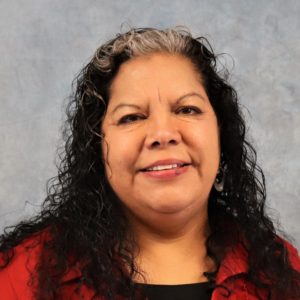
Gloria Marez

Gaby Long

Cassie Holt

Caroll Foshee
Directory
"*" indicates required fields

Tammie Chance

Maritssa Franco
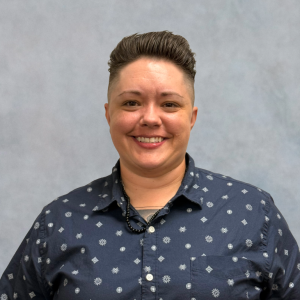
Kayla Kirchner